Building a Stable Future: A Financial Guide to Homeownership in Recovery
The journey of recovery is about rebuilding your life from the ground up. It’s a process of laying a new foundation, brick by brick, with principles of honesty, discipline, and long-term vision. For many, a key part of that new, stable foundation is the dream of owning a home—a place of safety, pride, and permanence. It represents more than just a physical structure; it’s a sanctuary and a powerful symbol of a future you have intentionally built.
At sobercoaches.info, we are dedicated to providing expert guidance and support for individuals navigating every aspect of a fulfilling life in recovery. We understand that true well-being encompasses not just sobriety, but also personal growth, emotional health, and financial stability. These pillars are deeply interconnected, and strengthening one reinforces the others.
This guide is designed to demystify the path to homeownership for those in recovery. We’ll provide a clear, actionable financial roadmap to help you turn the dream of owning a home into a tangible reality. This journey will prove that a stable, prosperous future is not only possible but well within your reach.
Key Takeaways
- Homeownership can be a powerful anchor for long-term recovery, providing stability and a sense of accomplishment.
- Building a solid financial foundation through budgeting, saving, and strategic debt management is the critical first step.
- A past with financial challenges does not disqualify you; rebuilding your credit score is an achievable and necessary part of the process.
- Navigating the mortgage process requires preparation, honesty, and a strong support team, including financial and recovery-focused professionals.
- Financial wellness is a cornerstone of a successful recovery journey, and achieving major goals like homeownership reinforces the life skills learned in sobriety.
TL;DR
Achieving homeownership in recovery is a realistic goal that powerfully supports a stable future. The process starts with building a strong financial foundation: create a budget, build an emergency fund, and actively work to improve your credit score. With careful preparation and the right support system, you can confidently navigate the mortgage process and secure a home of your own.
A Stable Home Can Serve as a Powerful Anchor in Your Recovery Journey
A stable home can serve as a powerful anchor in your recovery journey, reinforcing the very principles of consistency and long-term commitment that are central to sobriety.
The Psychology of a “Home Base”
Having a permanent, safe space that is truly your own contributes immensely to emotional and mental well-being. It’s a controlled environment where you can feel secure, practice self-care, and decompress from the world’s stressors. The act of maintaining a home—paying the mortgage, tending to the garden, fixing a leaky faucet—mirrors the daily discipline and routine that supports sobriety. It creates a rhythm of responsibility and consistency that grounds you in your new life.
Building Equity, Building a Future
Homeownership is a significant long-term financial asset and a tangible investment in your future self. Unlike renting, where your monthly payment goes to a landlord, a mortgage payment builds equity—your ownership stake in the property. Over time, this asset can appreciate, becoming a cornerstone of your personal wealth. This shift from short-term renting to long-term ownership is a powerful financial parallel to the shift from the short-term thinking of active addiction to the long-term planning of recovery.
A Tangible Symbol of Your Progress
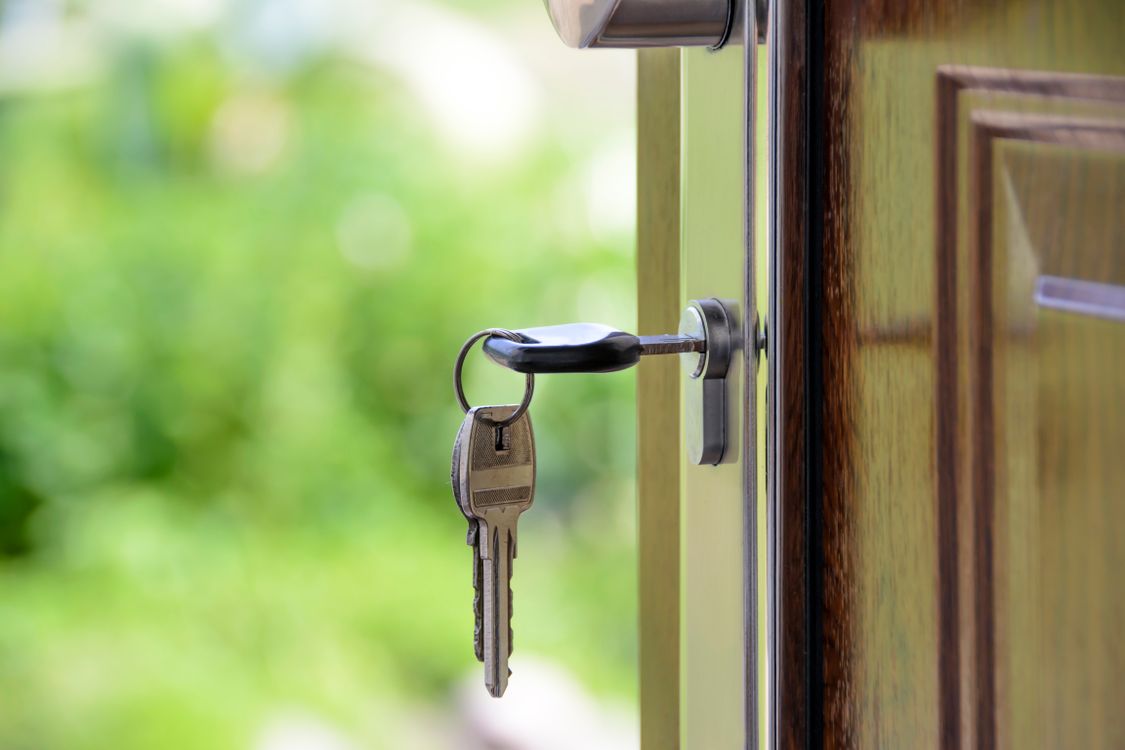
Buying a home is a monumental milestone that validates the immense hard work of recovery. It stands as a physical testament to your commitment, resilience, and progress. The sense of pride and accomplishment that comes with receiving the keys to your own home is profound. It’s a clear, undeniable message to yourself and the world that you are not defined by your past but by the strong, stable future you are actively creating.
Your Financial Guide to Homeownership Begins with Creating a Solid, Recovery-Focused Budget
Your financial guide to homeownership begins with creating a solid, recovery-focused budget to gain control over your money and align your spending with your deepest values.
Step 1: The “Recovery First” Budget
A “Recovery First” budget isn’t about restriction; it’s about intention. It prioritizes the expenses that are non-negotiable for your well-being. This means allocating funds for therapy, support group meetings, wellness activities like gym memberships or meditation apps, and healthy food before allocating money to discretionary spending.
Tools: Apps like Mint, YNAB (You Need A Budget), or even a simple spreadsheet can help you track every dollar. The goal is to see exactly where your money is going so you can consciously redirect it toward your goal of homeownership without compromising the pillars of your sobriety.
Step 2: Building Your Emergency Fund
Life is unpredictable. An unexpected car repair, medical bill, or job loss can create immense stress, which is a well-known relapse trigger. An emergency fund is your financial safety net. The standard recommendation is to save 3-6 months’ worth of essential living expenses. This fund is your buffer, allowing you to handle crises without derailing your financial goals or your recovery. Start small by setting a goal of $500, then $1,000. Automate a weekly or bi-weekly transfer from your checking to a separate high-yield savings account. Even $25 a week adds up significantly over time.
Step 3: A Strategic Approach to Past Debt
For many in recovery, debt accumulated during active addiction can feel like an insurmountable weight. Facing it head-on is an act of courage and a critical step toward financial freedom.
- Debt Snowball Method: You pay off your smallest debts first, regardless of interest rate. The psychological wins from clearing debts quickly build momentum and motivation.
- Debt Avalanche Method: You prioritize paying off debts with the highest interest rates first. This method saves you the most money over time.
If your debt feels overwhelming, consider contacting a non-profit credit counseling agency. They can help you create a manageable debt management plan and negotiate with creditors on your behalf.
A Strong Credit Score Is the Foundation of Your Mortgage Application
A strong credit score is the foundation of your mortgage application, and it’s absolutely achievable even with a challenging financial past.
Understanding and Owning Your Credit History
The first step is to know where you stand. You are entitled to a free credit report from each of the three major bureaus (Equifax, Experian, and TransUnion) every year through AnnualCreditReport.com. Review these reports carefully. Look for errors, accounts you don’t recognize, or incorrect late payment notations. Dispute any inaccuracies immediately. Understanding what lenders see allows you to take ownership of your financial story.
Actionable Steps to Rebuild Your Credit
Rebuilding credit is a marathon, not a sprint. It requires the same consistency and patience that fuels recovery.
- Secured Credit Card: This is a card backed by a cash deposit you make upfront. The deposit is usually equal to your credit limit. By using it for small purchases and paying the bill in full and on time every month, you demonstrate responsible credit behavior to the credit bureaus.
- Become an Authorized User: If you have a trusted family member or friend with a long history of excellent credit, ask to be added as an authorized user on one of their credit cards. Their positive payment history can help boost your score.
- On-Time Payments: Your payment history is the single most important factor in your credit score. Set up automatic payments for all your bills to ensure you are never late. Consistency over time is what matters most.
Patience and Persistence: A Recovery Parallel
Improving your credit score is a “one day at a time” process. You won’t see dramatic changes overnight. But just like in recovery, small, consistent, positive actions compound over time to create transformative results. Celebrate small victories, like your score increasing by 10 points, and trust that your persistent efforts will pay off.
Saving for a Down Payment Is a Manageable Goal
Saving for a down payment is a manageable goal that can be reached systematically with a clear and realistic plan.

How Much Do You Really Need to Save?
The myth that you need a 20% down payment to buy a home prevents many people from even trying. While 20% helps you avoid Private Mortgage Insurance (PMI), numerous loan programs exist with much lower requirements.
| Loan Type | Minimum Down Payment | Best For |
|---|---|---|
| FHA Loan | 3.5% | Borrowers with lower credit scores or smaller savings. |
| VA Loan | 0% | Eligible veterans, service members, and surviving spouses. |
| Conventional Loan | As low as 3% | Borrowers with stronger credit scores. |
As an example, for a $300,000 home, an FHA loan would require a down payment of just $10,500, a far more attainable goal than the $60,000 needed for a 20% down payment. You can find official details on these programs from sources like the U.S. Department of Housing and Urban Development (HUD).
Automate Your Savings, Secure Your Goal
The most effective way to save is to make it automatic. Adopt the “pay yourself first” methodology. Set up an automatic transfer from your checking account to a dedicated high-yield savings account for the day after you get paid. By moving the money before you have a chance to spend it, you prioritize your future home without relying on willpower alone.
Exploring Down Payment and Closing Cost Assistance
Many state and local governments offer Down Payment Assistance (DPA) programs for first-time homebuyers. These can come in the form of grants (which don’t need to be repaid) or low-interest loans. Researching “down payment assistance programs in your area” is a crucial step that can save you thousands of dollars and accelerate your timeline to homeownership.
Navigate the Mortgage Process with Confidence
You can navigate the mortgage process with confidence by being prepared, organized, and transparent about your journey.
The Power of Pre-Approval
Pre-qualification: A quick estimate of what you might be able to borrow based on self-reported financial information.
Pre-approval: A conditional commitment from a lender to loan you a specific amount. This requires a formal application and a hard credit check, where the lender verifies your income, assets, and debt.
Getting pre-approved is the essential first step before you start looking at homes. It shows sellers and real estate agents that you are a serious, qualified buyer, giving you a significant advantage in a competitive market. It also gives you a firm budget to work with, preventing you from falling in love with a home outside your price range.
Gathering Your Financial Story: The Documents
Lenders need to verify your financial stability. Get organized by creating a folder with the following documents:
- Pay stubs from the last 30-60 days
- W-2s from the past two years
- Federal tax returns from the past two years
- Bank statements from the past 60-90 days
- Statements for any other assets (401(k), IRAs, etc.)
Explaining Employment Gaps or Financial Inconsistencies
This is a major source of anxiety for many in recovery. A period of unemployment or financial instability from your past does not have to be a deal-breaker. Lenders often allow you to submit a “Letter of Explanation” (LOE) to address these issues. Frame this letter not as a list of excuses, but as a testament to your recovery. Explain the circumstances briefly and professionally, but focus the majority of the letter on the steps you have taken to create stability since then: consistent employment, a solid budget, a growing savings account, and your commitment to a sober, responsible life. This turns a potential red flag into a story of resilience.
Financial Wellness Is a Critical Component of Lasting Recovery
At sobercoaches.info, we know that financial wellness is a critical, and often overlooked, component of a robust and lasting recovery.
How Financial Stress Undermines Sobriety
Anxiety over debt, bills, and financial insecurity is a powerful trigger. It can lead to feelings of hopelessness, shame, and overwhelm—the very emotions that can make relapse seem like an escape. By taking control of your finances, you are not just building wealth; you are actively engaging in a powerful form of self-care and relapse prevention. Financial management reduces stress and builds a sense of agency and control over your life.
Building Life Skills for a Stable Future
The discipline of budgeting, saving, and planning for a long-term goal like homeownership directly reinforces the broader life skills essential for recovery. It teaches accountability, delayed gratification, problem-solving, and forward-thinking. Each time you stick to your budget or make a deposit into your savings, you are strengthening the same mental and emotional muscles that help you stay sober. For more insights, you can explore our full range of posts and categories on our site.
The Role of a Coach in Achieving Your Biggest Goals
The home-buying process can be stressful and complex. A sober coach can be an invaluable part of your team, helping you manage the emotional ups and downs, stay accountable to your financial plan, and integrate this major life goal with your overall recovery strategy. They provide a steady hand to guide you through the process, ensuring that you remain grounded and focused on your well-being every step of the way.
Build Your Homeownership Team
Building your homeownership team is just as important as building your recovery support network; you don’t have to do it alone.
Finding a Compassionate and Knowledgeable Real Estate Agent
Your real estate agent is your primary advocate. Interview several agents and look for someone who is not only an expert in your desired neighborhoods but who also listens to your story with empathy and understanding. You want a partner who will patiently guide you, not pressure you. Some agents even specialize in innovative approaches to real estate that can help you save money throughout the process.
Choosing the Right Mortgage Lender
Don’t just go with the first lender you find. Shop around and speak with mortgage brokers, local credit unions, and national banks. Be upfront about your situation. The right lender will be one who is willing to look at your entire financial picture—your consistent income, growing savings, and upward credit trajectory—rather than just a single number from your past.
Leaning on Your Personal Support System
Finally, lean on the support system that has gotten you this far in your recovery. Share your goal of homeownership with your sponsor, therapist, or trusted peers. Their encouragement and accountability can be a vital source of strength during the inevitable moments of stress or doubt. They will be there to celebrate with you when you finally hold the keys to your new home.
Your Foundation for the Future
The path from recovery to homeownership is a journey of profound personal and financial growth. It begins with the decision to build a new life and culminates in the tangible reality of a place to call your own. By creating a recovery-focused budget, patiently rebuilding your credit, saving diligently, and assembling a supportive team, you can transform this dream into your reality.
This process is more than a financial transaction; it’s a powerful affirmation of the stable, secure, and fulfilling future you are building for yourself. At sobercoaches.info, we provide the expert guidance to help you navigate these major life milestones with confidence and integrity, because we believe every step toward stability is a step that reinforces a lifetime of recovery.